


AI UX Optimization SEO: The Future of Digital Dominance

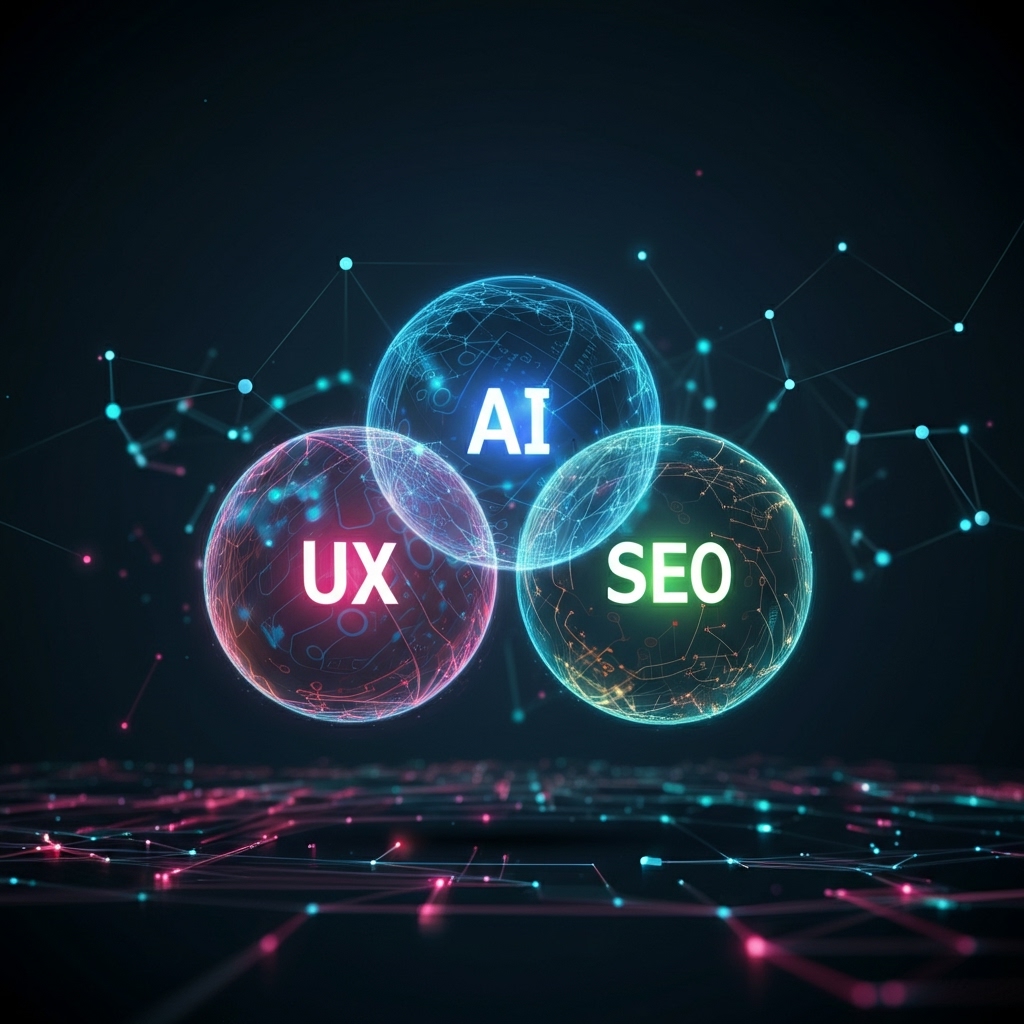
AI UX Optimization SEO: The Future of Digital Dominance
In today’s hyper-competitive digital landscape, achieving top search engine rankings and providing an exceptional user experience (UX) are paramount. The integration of Artificial Intelligence (AI) has revolutionized how businesses approach these goals, creating a powerful synergy known as AI UX Optimization SEO. This approach isn’t just about technical SEO or superficial design; it’s about deeply understanding user intent, predicting behavior, and delivering highly personalized, frictionless experiences that search engines inherently reward.
As search algorithms become increasingly sophisticated, prioritizing user satisfaction and relevance, the traditional boundaries between SEO and UX are dissolving. AI acts as the catalyst, enabling a level of insight and automation previously unimaginable. By embracing AI in UX optimization for SEO, businesses can unlock new avenues for organic growth, drive higher engagement, and ultimately, convert more visitors into loyal customers. This holistic strategy is quickly becoming a cornerstone of any effective digital marketing plan.
The Convergence: AI, UX, and SEO in Modern Digital Strategy
[IMAGE_PLACEHOLDER_0]The digital world is evolving at an unprecedented pace, demanding a more integrated approach to online presence. At its core, SEO aims to make content discoverable, UX focuses on making it enjoyable, and AI provides the intelligence to optimize both. When these three disciplines converge, they create a formidable strategy for digital success. AI empowers SEO professionals to move beyond keyword stuffing and backlink building, delving into predictive analytics, sentiment analysis, and sophisticated user journey mapping. Simultaneously, it allows UX designers to create interfaces that are not only aesthetically pleasing but also intuitively responsive to individual user needs, directly impacting metrics that search engines value.
This convergence means that a website’s performance is no longer judged solely on technical factors but on its ability to truly satisfy user queries and provide a positive interaction. AI tools can analyze vast datasets of user behavior, identifying patterns and pain points that traditional methods might miss. This data-driven insight then informs both SEO adjustments (like optimizing content for latent semantic indexing or improving site structure) and UX enhancements (such as refining navigation paths or personalizing content delivery). The result is a seamless experience that keeps users engaged, reduces bounce rates, and signals to search engines that your site offers high value. For a deeper dive into how AI is reshaping the entire search landscape, explore the transformative capabilities of an AI SEO operating system.
Leveraging AI for Enhanced User Experience and Search Rankings
[IMAGE_PLACEHOLDER_1]AI’s capability to process and interpret complex data sets is a game-changer for both UX and SEO. For user experience, AI-driven personalization is key. From dynamic content recommendations to adaptive interfaces, AI can tailor the digital experience to each visitor, increasing relevance and satisfaction. Think of chatbots that provide instant support, AI-powered search functions that anticipate user needs, or content delivery systems that adapt based on past interactions. These elements contribute to a superior user experience, making visitors more likely to spend time on your site, interact with your content, and return in the future.
From an SEO perspective, these UX improvements directly translate into higher rankings. Search engines like Google prioritize websites that offer excellent user experience. Metrics such as dwell time, bounce rate, click-through rate (CTR), and page per session are all influenced by UX, and AI helps optimize these. For instance, AI can analyze heatmaps and eye-tracking data to identify areas of friction in your user interface, or pinpoint content gaps that lead users to leave your site. By fixing these issues, you not only improve user satisfaction but also send strong positive signals to search engines. Implementing intelligent SEO solutions powered by AI is becoming essential for staying competitive.
Practical Strategies: Implementing AI UX Optimization for SEO Success
[IMAGE_PLACEHOLDER_2]Implementing AI UX optimization for SEO involves a multi-faceted approach. Here are some actionable strategies:
- AI-Powered Content Personalization: Use AI to analyze user demographics, behavior, and preferences to deliver highly relevant content. This can include personalized product recommendations, dynamically adjusted landing pages, or customized article feeds. This boosts engagement and reduces bounce rates.
- Predictive Analytics for User Journey Mapping: AI can predict user behavior patterns, helping you identify potential drop-off points or conversion opportunities. Understanding these journeys allows for proactive UX adjustments and targeted content creation, directly impacting your conversion funnels and search visibility.
- Automated A/B Testing and Optimization: AI tools can autonomously run thousands of A/B tests on various UX elements (e.g., call-to-action buttons, headline variations, page layouts), quickly identifying the most effective designs without manual intervention. This iterative optimization leads to continuous improvements in user engagement and SEO metrics.
- Enhanced Site Search and Navigation: Implement AI-driven internal search engines that understand natural language queries and provide highly accurate results. AI can also suggest improvements to your site’s navigation structure based on user flow data, making it easier for visitors and search engine crawlers to find what they’re looking for.
- Voice Search Optimization: With the rise of voice assistants, AI is crucial for optimizing content for conversational queries. AI helps understand the nuances of spoken language and long-tail keywords, ensuring your content ranks for voice search results.
By focusing on these areas, businesses can create a more intuitive, engaging, and ultimately more discoverable online experience. This strategic alignment of AI, UX, and SEO is what drives sustainable organic growth and enhances brand loyalty. The ongoing development of advanced AI in search optimization continues to open new frontiers for digital excellence.
Future Prospects: Trends and Challenges in AI-Driven UX SEO
[IMAGE_PLACEHOLDER_3]The future of AI UX Optimization SEO is bright, with several key trends shaping its evolution. Expect to see more sophisticated AI models capable of understanding complex human emotions and intentions, leading to even more nuanced personalization. The integration of AI with augmented reality (AR) and virtual reality (VR) will create immersive user experiences that will undoubtedly influence future SEO strategies. Furthermore, as AI becomes more pervasive, ethical considerations regarding data privacy and algorithmic bias will become increasingly important, requiring careful navigation from businesses and developers alike.
However, alongside these exciting prospects, there are challenges. The sheer volume and complexity of data generated by AI require robust infrastructure and skilled professionals to manage and interpret. Staying abreast of rapidly evolving AI technologies and search engine algorithms demands continuous learning and adaptation. Moreover, the ‘black box’ nature of some advanced AI models can make it difficult to understand exactly why certain recommendations are made, posing a challenge for transparency and control. Despite these hurdles, the undeniable benefits of AI UX Optimization SEO mean that it will remain a critical focus for any business aiming for long-term digital success.