


The Future of AI SEO Operating Systems: Navigating the Next Frontier

The Future of AI SEO Operating Systems: Navigating the Next Frontier
The landscape of Search Engine Optimization (SEO) is in constant flux, driven by algorithm updates and evolving user behavior. However, the most profound transformation is being ushered in by Artificial Intelligence (AI). What was once a realm of manual audits, keyword stuffing, and guesswork is rapidly becoming a sophisticated, data-driven science. As AI capabilities advance, the concept of an AI SEO Operating System (OS) is no longer a distant dream but an impending reality that promises to redefine how businesses achieve online visibility and growth.
An AI SEO OS is envisioned as an integrated platform that leverages advanced AI to automate, optimize, and strategize SEO efforts across all facets of digital presence. It’s about moving beyond individual AI tools to a cohesive system that acts as the central intelligence for your entire SEO operation. Understanding its potential and preparing for its arrival is crucial for any forward-thinking digital marketer or business owner.
The Evolution of AI in SEO
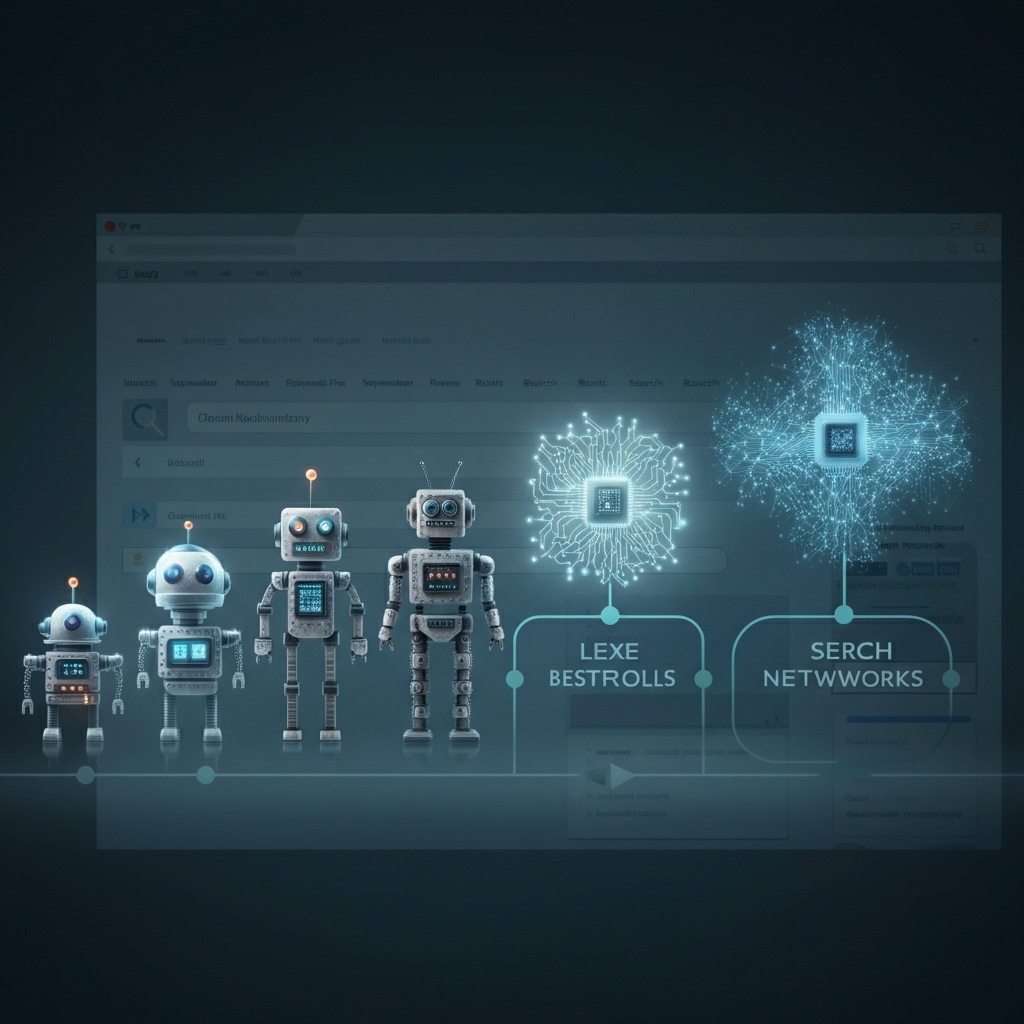
[IMAGE_PLACEHOLDER_0]AI’s journey in SEO began with rudimentary tasks, primarily focusing on automation and data analysis. Early applications included automated report generation, basic keyword research, and monitoring competitor activity. These tools, while helpful, operated largely in silos, requiring significant human oversight to piece together insights and formulate strategies. The initial impact was largely about efficiency, reducing the time spent on repetitive tasks and allowing marketers to focus on more strategic initiatives.
Today, AI’s role has expanded dramatically. We’re seeing AI models capable of generating high-quality content, performing sophisticated sentiment analysis, understanding user intent with remarkable accuracy, and even predicting algorithm shifts. These advancements signify a shift from AI as a mere assistant to AI as a strategic partner, capable of informing and executing complex SEO decisions. This rapid progression highlights how AI is fundamentally changing search engine optimization, moving us closer to an autonomous future.
The next phase involves integrating these disparate AI capabilities into a singular, intelligent system. Imagine an OS that not only analyzes data but also autonomously identifies opportunities, crafts optimized content, adjusts technical parameters, and adapts to real-time search trends—all with minimal human intervention. This evolution isn’t just about faster execution; it’s about deeper insights and more effective, proactive strategies.
Key Features Defining the Future AI SEO OS
[IMAGE_PLACEHOLDER_1]The AI SEO OS of the future will be characterized by several groundbreaking features that consolidate and elevate SEO practices. At its core, it will offer autonomous optimization, meaning the system can make real-time adjustments to content, technical SEO, and off-page signals based on live performance data and predictive models, without requiring explicit instructions for every change. This level of automation will free up SEO professionals to focus on higher-level strategy and innovation.
Another defining feature will be personalized user experience (UX) optimization. Leveraging machine learning, the OS will analyze individual user behavior and search intent to dynamically adapt content and website elements, ensuring a highly relevant and engaging experience. This hyper-personalization will not only improve rankings but also significantly boost conversion rates. Furthermore, predictive analytics and real-time adjustments will be paramount, allowing the OS to anticipate algorithm updates, identify emerging trends, and recommend or implement preventative measures to maintain or improve search visibility.
Finally, robust multi-platform integration will ensure seamless operation across various search engines, social media platforms, and content management systems. The AI SEO OS will act as a central hub, managing and optimizing your presence across the entire digital ecosystem, providing a unified view of performance and comprehensive strategic guidance. This holistic approach is central to the broader concept of an AI SEO Operating System.
Challenges and Opportunities Ahead
[IMAGE_PLACEHOLDER_2]While the future of AI SEO OS presents immense opportunities, it also comes with significant challenges that need careful consideration. One major concern is ethical considerations and potential biases. AI models are trained on vast datasets, and if these datasets contain inherent biases, the AI’s recommendations and actions could inadvertently perpetuate unfair or discriminatory practices. Ensuring fairness, transparency, and accountability in AI decision-making will be critical.
Data privacy is another paramount challenge. An AI SEO OS will process enormous amounts of user data, making robust security measures and strict adherence to privacy regulations (like GDPR and CCPA) absolutely essential. Businesses must build trust with their audience by demonstrating a commitment to protecting personal information. Furthermore, the technical complexity and adoption curve for such advanced systems will be steep. Smaller businesses might struggle with the resources and expertise required to implement and manage a full-fledged AI SEO OS, potentially widening the gap between large enterprises and SMBs.
Despite these hurdles, the opportunities are transformative. Businesses that successfully adopt and integrate an AI SEO OS stand to gain an unparalleled competitive advantage through superior efficiency, deeper insights, and highly optimized digital strategies. It offers the potential for significant market disruption, as early adopters can redefine industry benchmarks for online presence and customer engagement. Moreover, it creates opportunities for new roles focusing on AI oversight, strategy, and ethical guidelines, pushing the boundaries of what’s possible in digital marketing.
Strategic Implications for Businesses
[IMAGE_PLACEER_3]The advent of an AI SEO OS will necessitate a fundamental shift in how businesses approach their digital strategies. The most immediate implication is the potential for significantly reduced manual effort and increased efficiency. Tasks that currently consume countless hours—like in-depth keyword analysis, content auditing, and technical SEO fixes—could be largely automated, allowing human teams to focus on creative strategy, brand building, and complex problem-solving. This shift will lead to greater productivity and faster campaign execution.
Furthermore, an AI SEO OS will enable enhanced decision-making. By providing real-time data, predictive insights, and comprehensive performance analytics, these systems will empower marketers and business leaders to make more informed, data-driven decisions that are precisely aligned with market trends and user behavior. This capability will be crucial for businesses looking to stay competitive in an increasingly digital-first world, ensuring they are always a step ahead of the curve.
However, it’s vital to recognize the ongoing need for human oversight and strategic guidance. While AI can automate and optimize, human creativity, ethical judgment, and understanding of brand voice remain irreplaceable. The future will likely see a symbiotic relationship where human experts leverage the power of AI SEO OS to amplify their strategic impact, rather than being replaced by it. Embracing how an AI-powered SEO operating system can transform your digital strategy is not about letting go of control, but about gaining a powerful co-pilot for unprecedented growth.
In conclusion, the future of AI SEO Operating Systems represents a paradigm shift in digital marketing. By integrating advanced AI capabilities into a holistic platform, businesses can unlock new levels of efficiency, personalization, and strategic foresight. While challenges related to ethics, privacy, and adoption remain, the opportunities for innovation and competitive advantage are immense. Preparing for this future means understanding its components, embracing its potential, and strategically integrating AI to navigate the evolving digital landscape with confidence and success.